Trump Taps Insiders’ Insider: What Susie Wiles’ Appointment as Chief of Staff Reveals About the Second Trump Administration
Trump’s New Chief of Staff: Susie Wiles Experienced campaign manager, not policy expert, to lead White House. Signals focus on partisan politics over bipartisan governance, raising concerns about ethics, transparency, and policy decisions in Trump’s second administration.
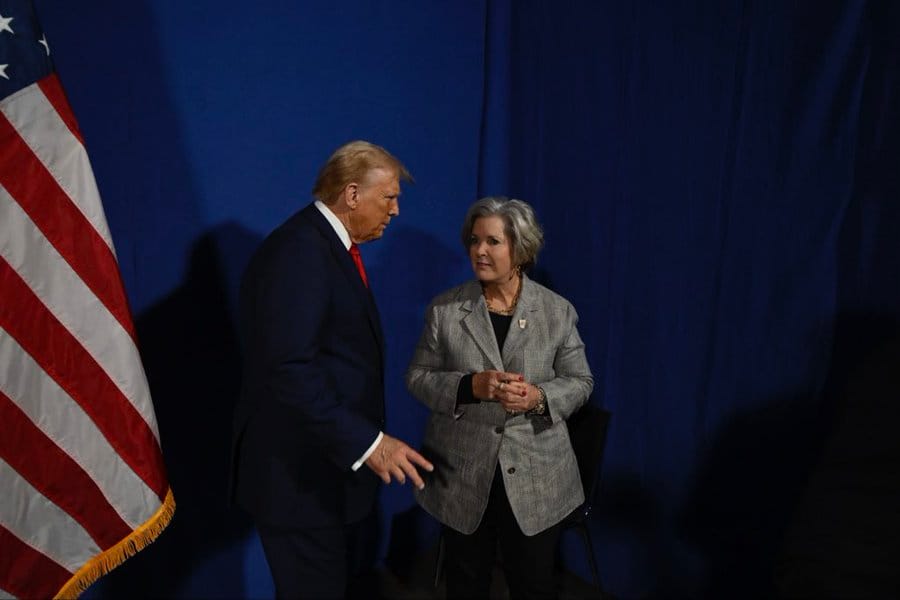
In a move that surprised few but intrigued many, President Donald Trump announced Susan Summerall Wiles as his White House Chief of Staff, effective January 20, 2025. This appointment not only breaks historical ground—making Wiles the first female Chief of Staff in U.S. history—but also offers a glimpse into the operational ethos of Trump’s second administration. To understand what this choice might portend for the country, it’s essential to delve into Wiles’ background and the implications of her appointment.
A Career Forged in Campaigns, Not Policy
Wiles’ professional trajectory is marked by a series of high-profile campaign management roles, including Trump’s successful 2016 and 2020 Florida operations, and most recently, his 2024 presidential campaign. Her expertise lies in the strategic and tactical aspects of political contests, rather than in deep policy knowledge or governance experience. This distinction is crucial, as it suggests that the Trump administration may prioritize campaign-style politics over nuanced policy development.
Florida Connections and the DeSantis Factor
Wiles’ Florida connections run deep, having served as a chief of staff to Jacksonville Mayor John Delaney and advising on Rick Scott’s successful gubernatorial bid in 2010. Her complicated history with Governor Ron DeSantis, however, is particularly noteworthy. Initially working as a top advisor to DeSantis, Wiles was later dismissed, a move she described as the “biggest mistake” of her career. This backstory could hint at tense relations between the Trump and DeSantis camps, potentially foreshadowing future GOP infighting.
Ethics and Transparency Concerns
Wiles’ appointment also raises ethical questions, given her involvement in Trump’s Save America PAC and allegations surrounding the handling of classified documents. Furthermore, the financial benefits her daughter, Caroline Wiles, has received from Trump’s campaign and businesses, as documented by ProPublica, may fuel concerns about nepotism and the blurring of personal and professional interests.
Implications for the Second Trump Administration
- Continued Polarization: Wiles’ campaign-centric approach may exacerbate the partisan divide, as the administration focuses on rallying its base rather than seeking bipartisan solutions.
- Policy Expertise Takes a Backseat: The lack of deep policy experience in Wiles’ background might lead to decisions driven more by political expediency than thorough policy analysis.
- Internal Dynamics: Her appointment could signal a consolidation of power within the Trump camp, potentially marginalizing other voices and leading to a more insular decision-making process.
As the country prepares for the second chapter of the Trump presidency, the selection of Susie Wiles as Chief of Staff serves as a tangible indicator of the administration’s priorities. While her appointment is undoubtedly a milestone for women in politics, the underlying implications for governance, ethics, and the nation’s political discourse are complex and warrant close scrutiny. As we move forward, it will be essential to hold the administration accountable for its actions, ensuring that the interests of all Americans are represented, not just those of the party faithful.