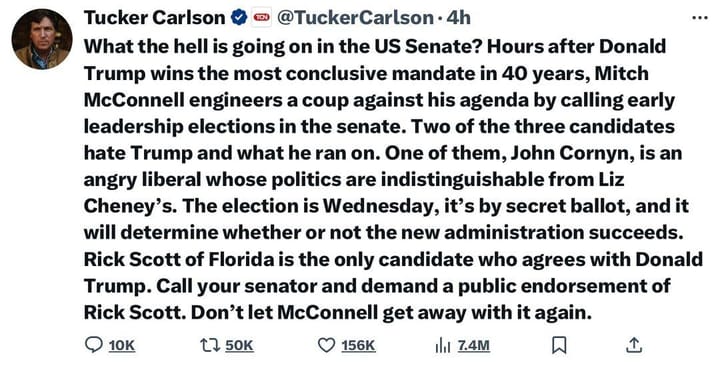
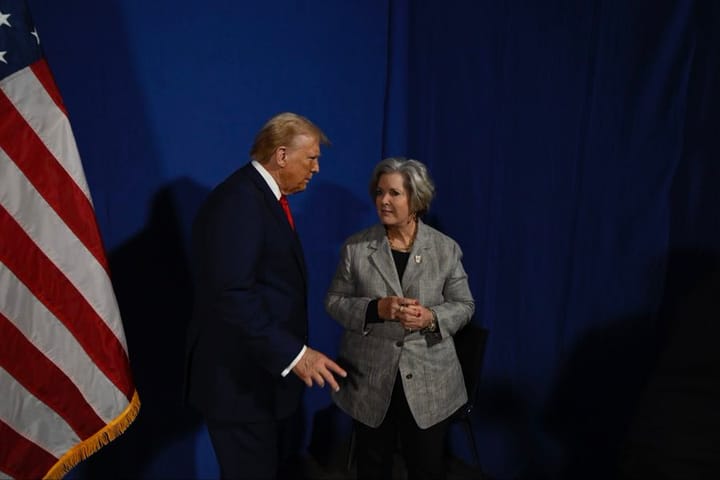
The Delicate Balance of Power: A Warning from History
Trump’s tweet demanding Senate concessions sparks concern over erosion of checks and balances. We examine the founding principles, threatened branches, and urge elected reps to defend the Constitution’s delicate power balance.
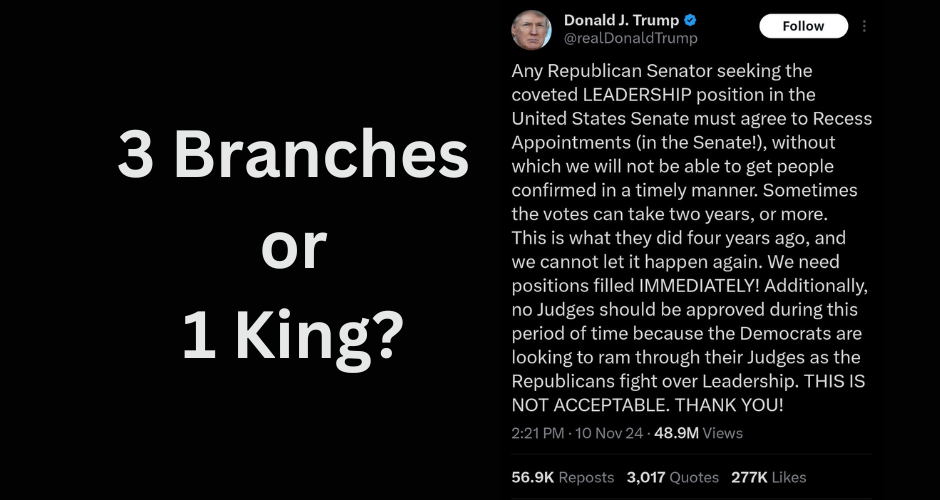
As the nation watches the unfolding drama over the Senate Majority Leader position, a troubling trend has emerged. Former President Donald Trump’s recent tweet, dictating conditions for Republican Senators vying for the leadership role, lays bare a disturbing disregard for the fundamental principles of our government. Specifically, it highlights the erosion of the crucial checks and balances between the three branches of government, designed to prevent any one branch from dominating the others.
A Founding Principle Under Siege
The framers of our Constitution, led by George Washington, carefully crafted a system where the Executive, Legislative, and Judicial branches would counterbalance each other, ensuring no single entity could usurp absolute power. This deliberate design was rooted in the lessons of history, particularly the excesses of monarchies. Notably, Washington himself refused the title of “King” and warned against the “baneful effects of the spirit of party” in his Farewell Address, recognizing the dangers of partisanship and the concentration of power.
The Three Branches: A System of Mutual Accountability
- The Executive Branch: Headed by the President, its primary function is to enforce the laws. However, its power is not absolute; it is subject to oversight and approval from the other two branches.
- The Legislative Branch (Congress): Comprising the Senate and the House of Representatives, its role is to create, amend, and repeal laws. It also has the authority to approve or reject the President’s appointments, including Supreme Court Justices and Federal Judges.
- The Judicial Branch (The Supreme Court): The highest court in the land, its duty is to interpret the Constitution and ensure that laws align with its principles. Its independence is crucial, as it provides a check on both the Executive and Legislative branches.
Trump’s Tweet: A Case Study in Overreach
Former President Trump’s recent tweet is a stark illustration of the threats to this delicate balance:
- Demand for Recess Appointments: Trump insists that any Republican Senator seeking the Senate Majority Leader position must agree to allow Recess Appointments, which would enable the President to fill positions without Senate approval during congressional recesses.
- Withholding Judicial Confirmations: Trump also demands that no Judges be approved during the leadership contest, ostensibly to prevent Democrats from “ram[ming] through their Judges” while Republicans are distracted.
The Implications: A Constitutional Crisis in the Making
If the Senate acquiesces to these demands, it would set a perilous precedent, undermining the very foundations of our democracy:
- Congressional Abdication: The Senate would be surrendering its constitutional authority to provide “advice and consent” on presidential appointments.
- Executive Overreach: The President would gain unprecedented power to fill key positions without oversight, further concentrating authority in the Executive Branch.
- Judicial Independence at Risk: The Supreme Court’s already precarious independence would be threatened, as its composition and decisions become increasingly politicized.
A Call to Action: Defending the Constitution
To our elected representatives, we urge: heed the lessons of history. Uphold the integrity of your respective branches. The American people did not elect a monarch; they elected public servants sworn to defend the Constitution and the delicate balance of power it enshrines.
Key Takeaways:
- Checks and Balances: The three branches of government are designed to counterbalance each other, preventing any one branch from dominating the others.
- Constitutional Authority: Congress and the Supreme Court must assert their constitutional roles, rather than surrendering to executive overreach.
- Historical Context: George Washington’s warnings against partisanship and the concentration of power remain relevant today, serving as a reminder of the dangers of unchecked power.
- Call to Action: Elected representatives must uphold the integrity of their respective branches, defending the Constitution and the balance of power it establishes.
Points for Progress:
- Support Congressional Oversight: Encourage your representatives to assert their constitutional authority in the face of executive overreach.
- Defend Judicial Independence: Advocate for the protection of the Supreme Court’s independence and the integrity of the judicial appointment process.
- Stay Informed, Engaged, and Active: Educate yourself and others on the importance of checks and balances in our democracy, and demand that your elected officials uphold these fundamental principles.